How to Measure Your Brand's AI Visibility: Mentions, Citation Rate, and AEO Score Explained
How to Measure Your Brand's AI Visibility: Mentions, Citation Rate, and AEO Score Explained
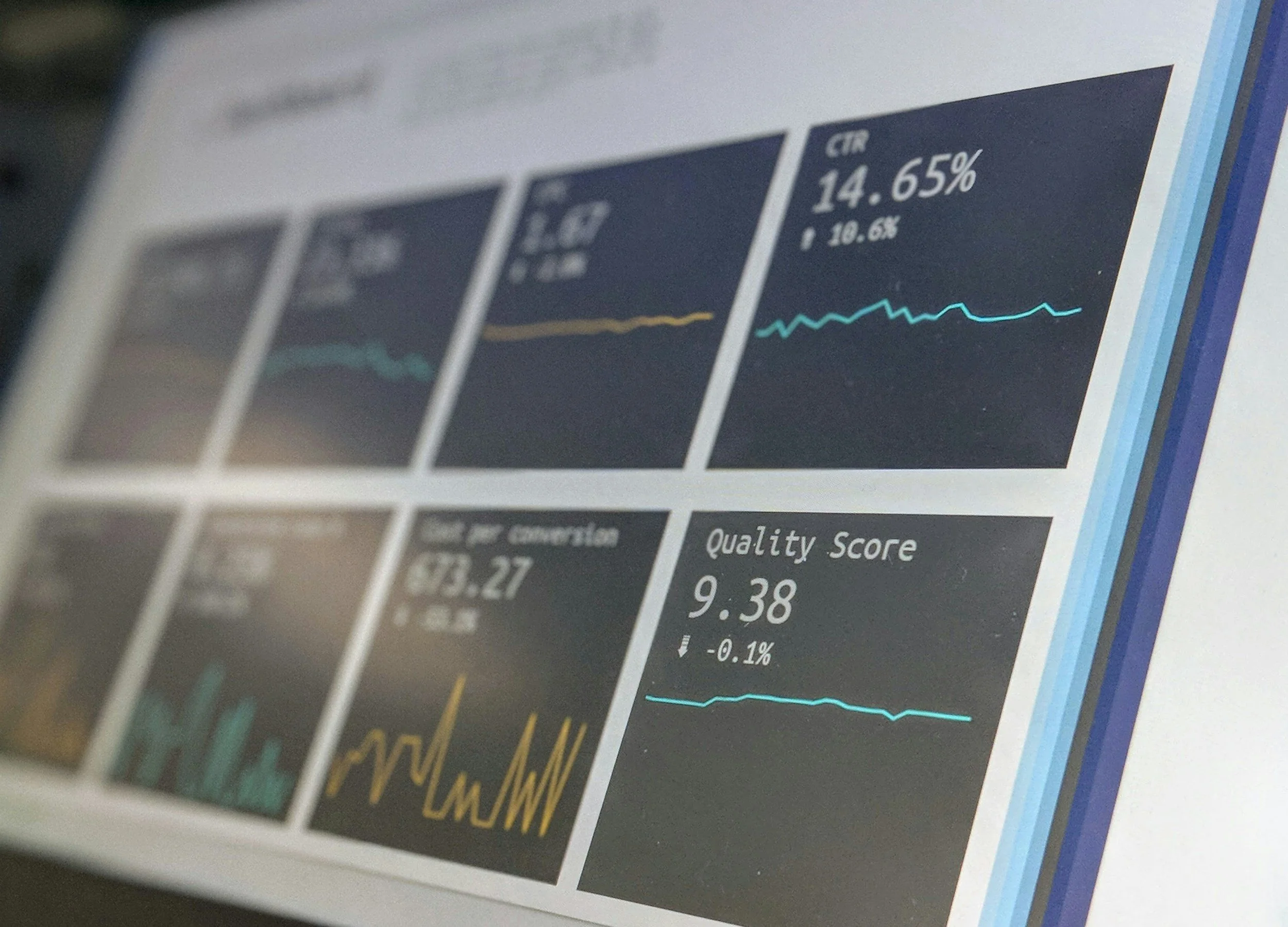
Once a business decides to invest in AI discoverability, the next question is almost always practical: how do you actually know if it's working? Unlike traditional SEO, where rankings and traffic are easy to check, AI visibility doesn't show up in a dashboard you already use — it has to be measured deliberately. Here's what the core metrics mean and how to track them.
Mentions
The most basic metric is simple: how often does your brand come up when someone asks an AI assistant a relevant question? This means running a consistent set of prompts — the questions your actual buyers are likely to ask, like "best [category] for [use case]" or "alternatives to [competitor]" — across ChatGPT, Gemini, and Perplexity on a regular schedule, and logging whether your brand appears at all. A single check tells you almost nothing; the value comes from tracking this over weeks and months as you make changes to your site and content.
Citation Rate
Citation rate goes a step further than mentions — it measures how often your brand is mentioned as a direct, sourced answer rather than appearing incidentally in a longer list. An AI assistant that name-drops your brand in passing is very different from one that cites your website as the source for a specific claim or recommendation. Higher citation rates generally correlate with cleaner structured data, clearer factual content, and stronger third-party corroboration — the same things that build trust with human readers.
Position and Prominence
When your brand is mentioned, where does it land? First in a list of five, or an afterthought at the end? Some AI visibility tools track "average position" the same way rank-tracking tools do for search engines. Position matters because AI-generated answers are often skimmed rather than read in full — a brand that's always mentioned last is functionally less visible than one consistently mentioned first, even if the raw mention count is similar.
AEO Score
Answer Engine Optimisation (AEO) score is a composite metric some agencies use to roll mentions, citation rate, and position into a single number, usually benchmarked against competitors. Treat any AEO score with healthy skepticism — there's no industry-standard formula yet, so scores aren't comparable across different agencies' tools. What matters more than the number itself is whether it's trending up over time and whether the underlying data (which prompts, which platforms, how often) is transparent enough for you to verify.
What to Actually Do With These Numbers
Metrics only matter if they change what you do next. If mentions are low across the board, the issue is usually structural — thin content, missing schema markup, or inconsistent facts across your web presence. If you're getting mentioned but rarely cited or positioned well, the issue is usually depth and specificity — generic marketing copy doesn't get cited the way a clear, well-sourced answer does. Track these numbers quarterly at minimum, tied to specific changes you've made, so you can tell what's actually moving the needle rather than guessing.
Not sure how your brand currently performs across these metrics? DWHQ runs AI-visibility audits as part of building brand architecture and websites designed to be trusted — by buyers and by the AI systems increasingly standing between you and them.