

Brand Architecture.
A brand is not a logo. It is a structured system that governs how your organisation communicates trust — across every channel, every stakeholder, and every stage of growth.
DWHQ builds that system. Designed for B2B organisations that cannot afford structural ambiguity.
Trusted by organisations where clarity is not optional.
Over 20 years, DWHQ has built a reputation as Singapore's trusted brand architecture consultancy for B2B — working with enterprises and organisations where structural clarity directly affects credibility, stakeholder confidence, and market authority.
Selected clients shown. DWHQ has also served consumer and lifestyle brands across Singapore and Asia.
























Structure first.
Aesthetics follow.
Most organisations start with visual identity — logo, colours, typography — before the structural foundations are in place. The result is a brand that looks coherent but communicates inconsistently.
Brand architecture solves this at the root. It is the strategic framework that defines how your organisation positions itself, how your messages are prioritised, and how every touchpoint reinforces a single, coherent trust signal.
When it is done correctly, clarity becomes self-sustaining. When it is absent, ambiguity compounds — silently, and at cost.

The DWHQ Brand Architecture System.
Every engagement produces a complete, structured brand system across three interconnected layers.

STRATEGIC LAYER
Positioning architecture, competitive differentiation framework, brand narrative, and core messaging hierarchy. This is the intellectual infrastructure of your brand — the decisions that govern everything that follows.

IDENTITY LAYER
Visual identity system, verbal identity guidelines, tone of voice framework, and brand standards documentation. Built to be consistent across all applications and scalable across markets and channels.

DIGITAL LAYER
Web architecture, SEO structure, and AI discoverability framework — ensuring your brand communicates with clarity to both human audiences and the algorithmic environments that increasingly determine first impressions in B2B.
Four situations where brand architecture is the answer.
You are building from the ground up.
A new company or a new business unit needs a brand system that is built correctly from the start — not retrofitted later when ambiguity has already taken hold. The cost of building it right is always lower than the cost of rebuilding it after the damage is done.
You are scaling into new markets.
What works in your home market does not automatically translate. Entering a new geography, a new sector, or a new buyer segment requires a brand system that can flex and localise without losing coherence. That requires architecture, not just adaptation.
You are going through organisational change.
Merger, acquisition, leadership transition, or strategic pivot all create brand misalignment if not actively managed. Brand architecture provides the structural continuity that keeps your organisation communicating with one voice through periods of significant change.
Your current brand has outgrown itself.
Growth-stage companies frequently reach a point where the brand they started with no longer reflects the organisation they have become. Customers, investors, and partners are receiving a signal that is out of step with reality. A structured rebrand — built on proper architecture — realigns perception with ambition.
Work that demonstrates the thinking.
Three engagements. Each one a different entry point into brand architecture — complexity, transformation, and scale.
ABA Bank · Finance & Banking · Cambodia
The Challenge ABA Bank — Cambodia's leading digital bank — needed to launch a Priority Banking tier for high-net-worth clients. The core challenge was not creating a new sub-brand. It was an architecture problem: how to elevate perception and signal institutional maturity within an existing mass-market brand identity, without breaking continuity or confusing the broader customer base.



-
We architected a premium tier identity system built on deliberate visual differentiation — evolving the existing blue-and-red mass banking palette into black and gold, signalling authority and exclusivity while retaining brand continuity. The identity extended across every touchpoint: relationship manager communications, private lounge experience, card design, welcome kit, and digital banking interface — a complete brand architecture that made the premium tier feel structurally distinct, not just cosmetically different.
NCS · Enterprise Technology · Singapore
The Challenge NCS needed to communicate the depth and future direction of its technology capabilities to enterprise clients and decision makers — audiences who were highly informed but increasingly difficult to engage through conventional presentations. The challenge was a brand architecture problem at its core: how to translate a complex, multi-domain technology portfolio into a structured experience that built understanding, not just awareness.


-
We designed an Innovation Experience Architecture — a dedicated gallery structured as a narrative journey through NCS's technology vision. The space moved visitors deliberately from future possibility through simulated real-world environments to live deployed solutions, anchored by a 9-metre interactive technology wall as the centrepiece. Every spatial and content decision was governed by a single architectural principle: complexity communicated through experience, not explanation. The result was a structured brand environment that transformed how enterprise clients perceived NCS's innovation capabilities.
Shell Singapore · Energy & Industrial · Singapore
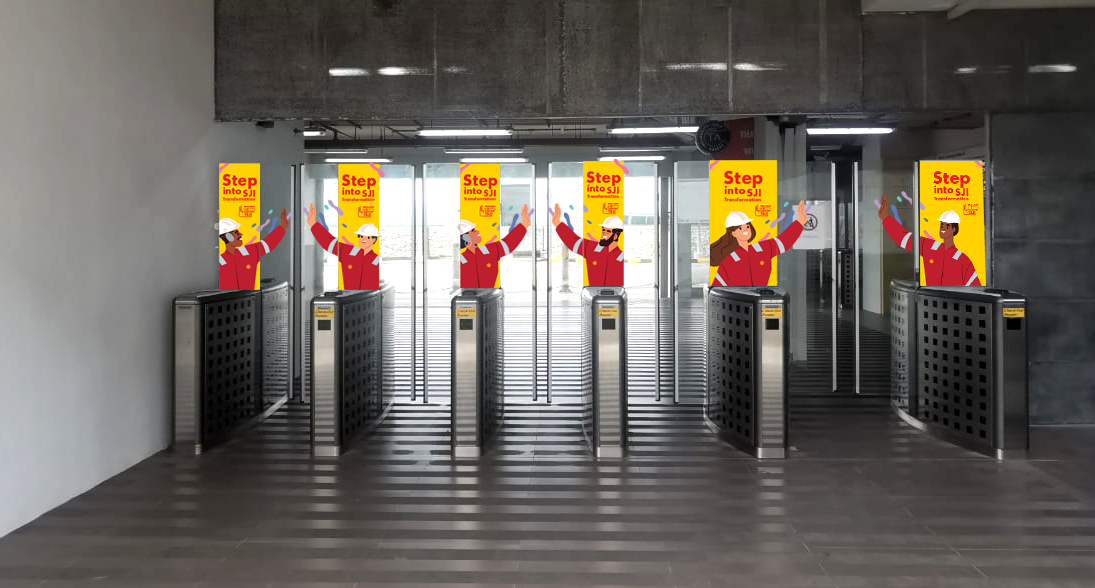
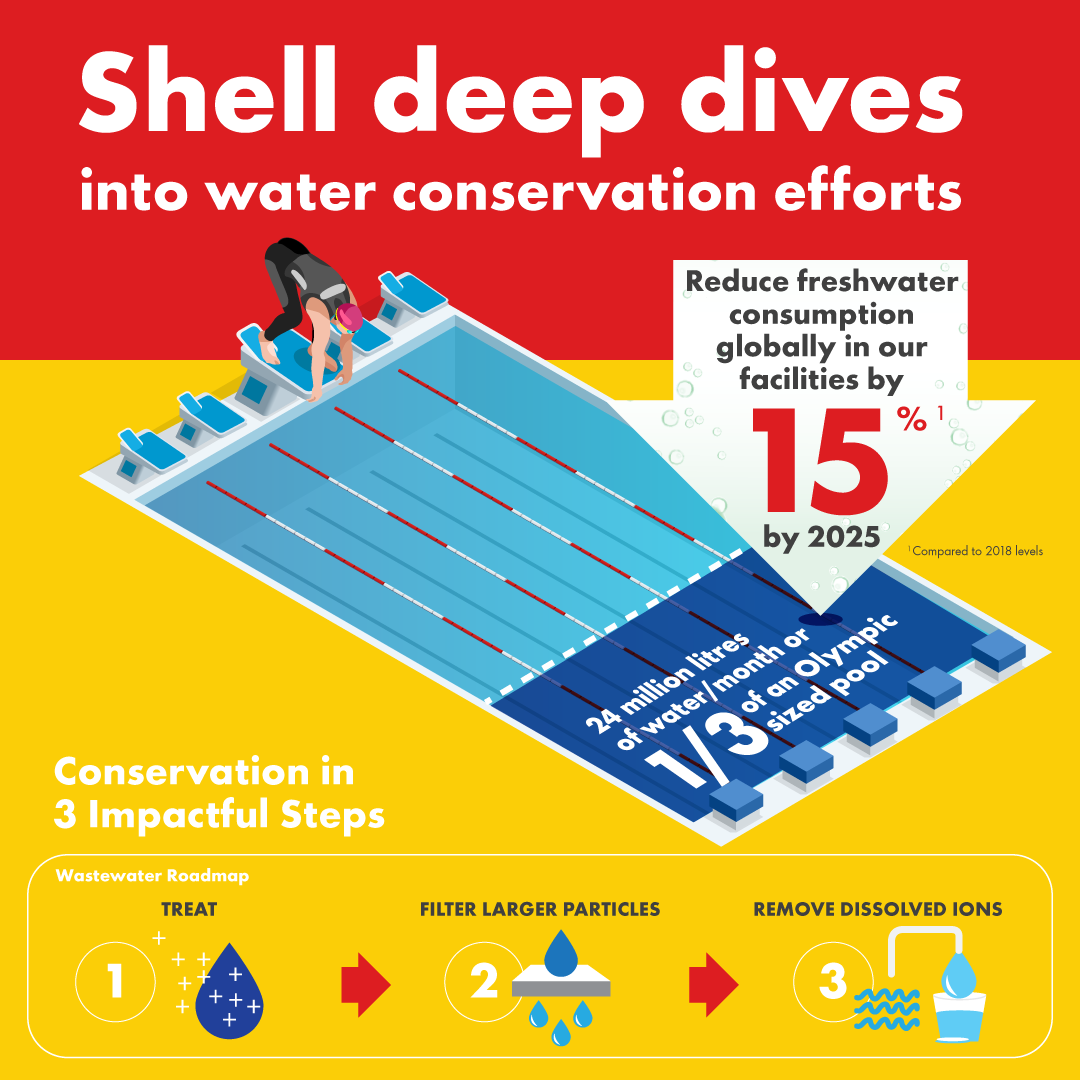
The Challenge Shell Singapore was undergoing a significant organisational transformation — shifting toward sustainability, innovation, and operational evolution. The challenge was not communications. It was internal brand architecture: how to align thousands of employees across levels behind a transformation agenda that required genuine behavioural change, not just awareness. Fragmented internal channels and announcement-driven communication were producing compliance, not conviction.


-
We designed a structured internal communication system built around a single unifying narrative — positioning transformation as a mindset, not a directive. The system gave Shell's transformation agenda a coherent visual and verbal identity that could travel consistently across every internal channel and physical environment, from digital communications to on-site installations. By architecting the narrative at the structural level, the communication moved from informing employees about change to embedding the cultural shift the transformation required.
How We Work.
Every DWHQ brand architecture engagement begins with a structured discovery process — understanding your business model, your competitive environment, your stakeholder landscape, and the specific trust signals that matter in your market.
From that foundation, we build your brand system in deliberate sequence: strategy before identity, structure before execution, clarity before aesthetics.
The result is a brand that your leadership team can articulate consistently, your sales team can use confidently, and your market can understand immediately.
That is what brand architecture delivers. That is what DWHQ builds.